
Scale without spectacle
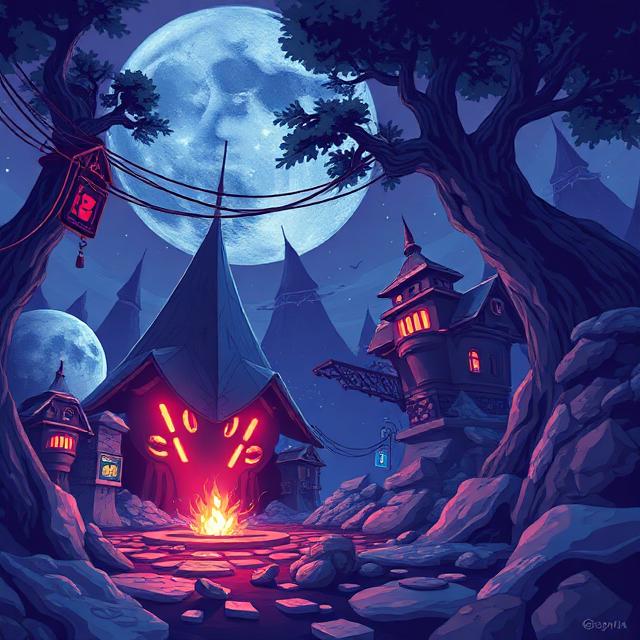
Cosmic horror works because the player feels small. Indie games can create that scale without expensive cutscenes. A locked door, a radio signal, a star that appears in the wrong place or a village that loops back on itself can be enough.
The limitation becomes the style. Fewer assets can make the world feel colder, stranger and more deliberate.
Sound is the monster
Sound design carries a huge part of the genre. A distant hum, a reversed choir, a broken footstep loop or sudden silence can make players stop moving. The best scares are not always jumps. Sometimes they are questions that never get answered.
Strange interfaces
Indie horror loves unusual screens: fake operating systems, corrupted maps, unreadable symbols and inventory items that should not exist. These interfaces make the player feel like they are touching a forbidden machine.
Pacing the impossible
The genre depends on restraint. If the game explains too much, the cosmic scale collapses. If it hides everything, the player disconnects. The best indie horror titles reveal patterns slowly, then break those patterns at exactly the wrong moment.
Why players remember it
Players remember cosmic horror because it respects imagination. It gives enough detail to invite theory, then leaves enough darkness for the mind to finish the monster. That is why tiny horror games can stay in a player's memory longer than giant productions.